
All Systems Go: Sirikwa Classic Enters Final Phase Ahead of Gold Label Race

Preparations for the 5th edition of the Absa Sirikwa Classic World Cross Country Tour (Gold Label) have reached an advanced stage, with organizers declaring full readiness ahead of the February 14, 2026 showdown at Lobo Village, Eldoret—an event that continues to grow in both global stature and technical sophistication.
Following a detailed inspection of the course, Meet Director Barnaba Korir, accompanied by Meet Technical Director Ibrahim Hussein Kipkemboi, expressed confidence not only in the physical readiness of the venue but also in the systems and personnel behind the race.
Operational Readiness and Final-Phase Execution
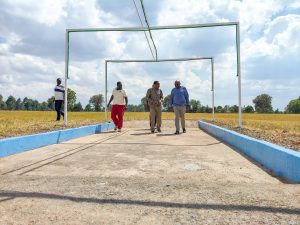
Korir noted that the inspection required minimal follow-up, crediting a well-drilled organizing structure that has matured over successive editions.
“I am very happy that we did not have to spend a lot of time following up because we have a team that has done a good job by organizing almost everything on our behalf,” Korir said.
He confirmed that all key operational areas—including security, medical services, and accommodation—have already been finalized, allowing organizers to transition smoothly from planning to execution.
“In a nutshell, we are ready. From Monday, there will be a beehive of activities as we enter the final stretch toward race day,” he added.
Rising Global Profile and Expanded International Fields
One of the strongest indicators of the Sirikwa Classic’s growing global appeal is the sharp increase in international participation. Korir revealed that the number of invited foreign athletes has doubled from 40 in the fourth edition to 80 this year, significantly strengthening the competitive depth.
He confirmed the participation of Uganda’s Joy Cheptoyek, the silver medallist in the senior women’s race at the recent World Cross Country Championships in Tallahassee, alongside several other athletes who competed at the global event. Runners from Ethiopia and Tanzania are among those confirmed, with others expected from Ukraine and additional international markets.
The expanded foreign presence, Korir said, reflects the event’s rising credibility within the World Athletics Cross Country Tour ecosystem.
Technical Excellence, Infrastructure Growth and Athlete Welfare
From a technical perspective, Ibrahim Hussein Kipkemboi emphasized that the event’s evolution has been driven by sustained, hands-on involvement from the technical team since the official launch.
“From the day of the launch, the technical team has been on the ground to make sure the course is friendly,” Hussein said. “We are checking every detail to ensure we have a world-class course and a well-organized global event aligned with World Athletics rules and guidelines.”
Hussein pointed to year-on-year infrastructure improvements at Lobo Village as a key pillar of that progress. The permanent starting point installed last year marked a major step toward standardization, while the mist zone introduced in the previous edition enhanced athlete welfare by mitigating heat and dust—innovations rarely seen in cross-country events in the region.
Beyond elite competition, the Sirikwa Classic continues to embed grassroots development into its core identity. Organizers are targeting over 3,500 children to participate in this year’s kids’ races, reinforcing the event’s role as both a global showcase and a national talent-development platform.
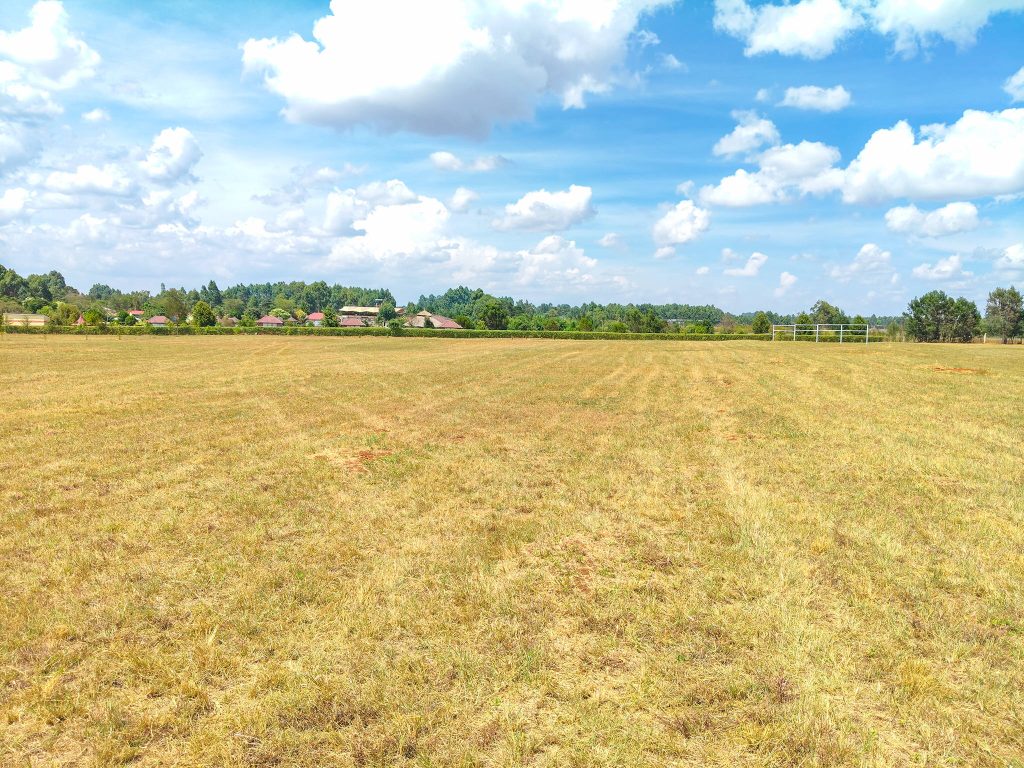
As final preparations gather pace, Lobo Village is once again positioning itself as a stage where world-class performance, technical precision, and long-term legacy intersect, cementing the Sirikwa Classic’s status as Kenya’s flagship cross-country event and a rising force on the global calendar.