Beyond Boston: How NCAA Racing Is Shaping the Next Generation of Distance Runners

A Pathway, Not Just a Race
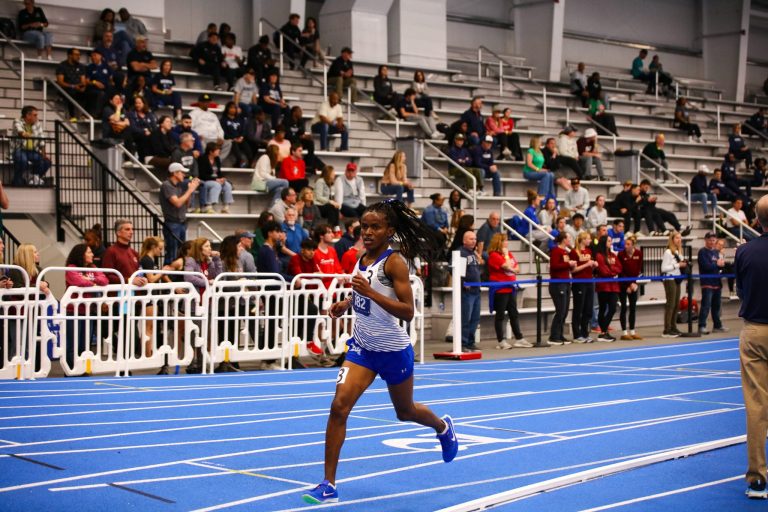
Indoor track meets rarely dominate global headlines, yet each winter in Boston they quietly influence the direction of elite distance running. On the fast, banked tracks of Boston University, athletes test more than speed—they test systems, patience, and pathways that increasingly shape global careers.
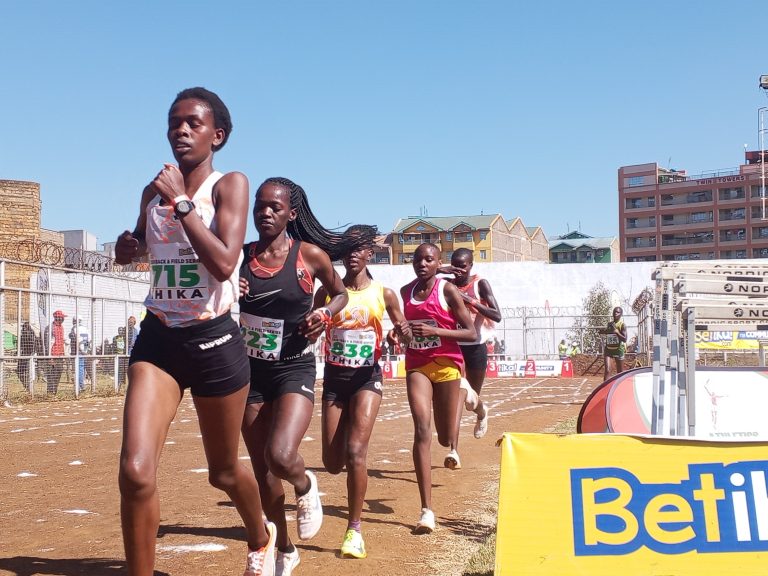
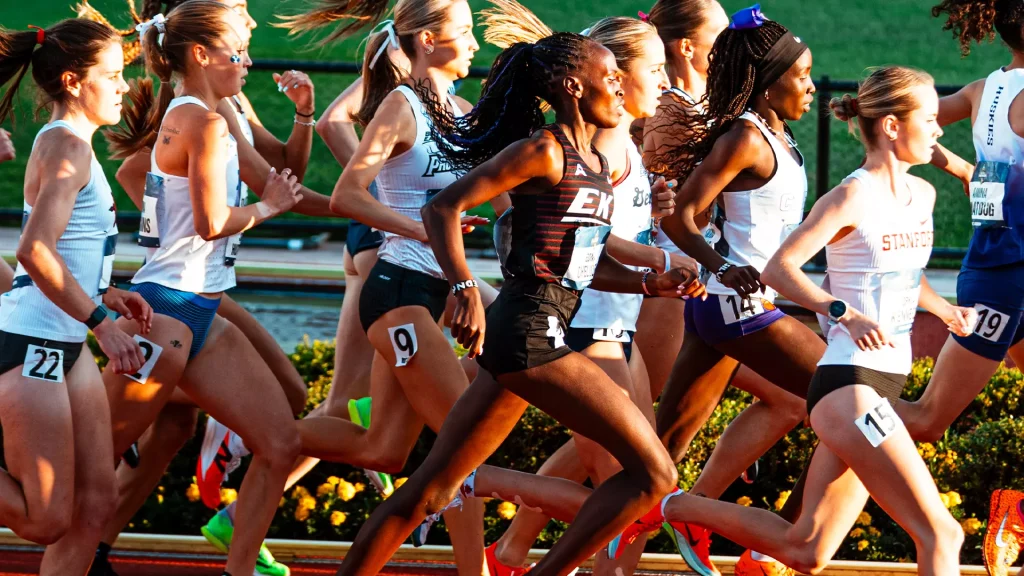
That context gives deeper meaning to Ednah Chelulei’s performance at the BU John Thomas Terrier Classic. The Eastern Kentucky University sophomore clocked 8:52.79 in the women’s indoor 3,000 metres, setting a new school record and placing herself among the NCAA’s top performers this season. While the time alone drew attention, its broader significance lies in what it reveals about how modern endurance athletes, like Ednah Chelulei, are being developed.
Systems Over Speed
Across the United States, the collegiate system has become a high-performance incubator for runners from traditional distance-running regions. Rather than rushing into professional circuits, many athletes are choosing structured environments that prioritize progression, education, and long-term athletic health. Boston’s indoor meets sit at the heart of that model, offering controlled conditions, deep competition, and precise pacing rarely found elsewhere.
Chelulei’s rise reflects that shift. Earlier this season, she lowered Eastern Kentucky’s indoor 5,000m record to 15:42.14, another milestone that pointed to consistency rather than a single breakthrough. Her performances earned her ASUN Women’s Track Performer of the Week honours and reinforced her status as one of the conference’s emerging forces.
Eastern Kentucky’s distance programme has long valued resilience and measured development—qualities that align closely with the collegiate pathway. For Chelulei, that balance has translated into steady improvement rather than accelerated burnout, a contrast to the increasingly commercialized nature of elite road and track racing worldwide.
Globally, the implications are significant. As professional competition tightens and the pressure to monetize performance grows, the NCAA offers an alternative route—one that allows athletes to mature physically and mentally while competing at a high level. It challenges the assumption that elite runners must peak early or turn professional quickly to remain relevant.
Boston, then, is not the destination. It is a checkpoint in a wider journey that extends far beyond indoor tracks and record boards. For Chelulei and a growing cohort of distance runners, the real story unfolds not at the finish line, but in the systems that carry them forward.